
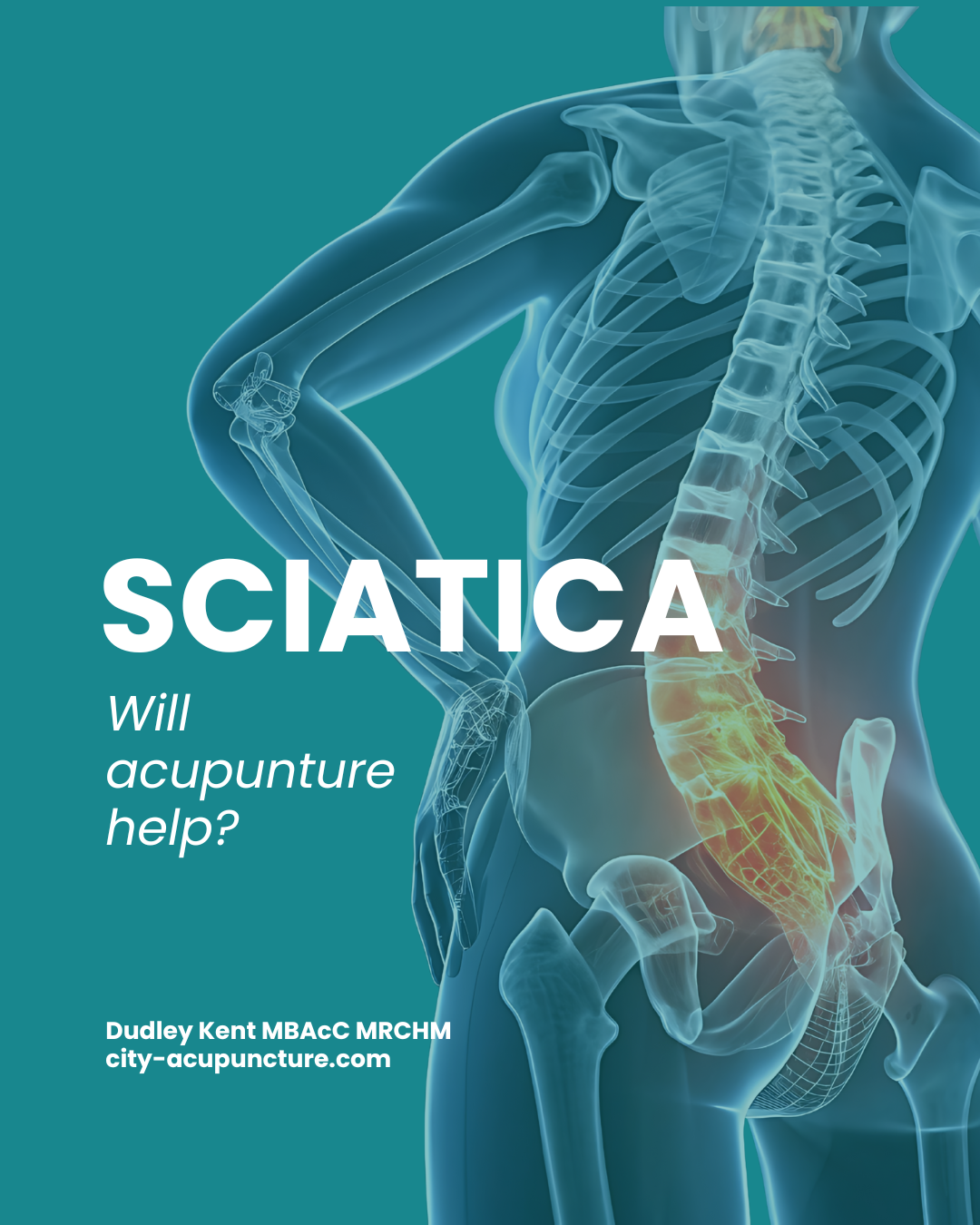
Acupuncture for Sciatica:
Can It Help Relieve Pain?
Sciatica is a condition where pain radiates along the sciatic nerve, often starting in the lower back and moving down one or both legs. For some, it’s a mild ache; for others, it’s sharp, shooting, and disruptive to everyday life.
Conventional treatments such as medication, physiotherapy, or even surgery can help, but many people look for complementary approaches. One option that is gaining recognition is acupuncture – an ancient therapy that is also being studied in modern medicine.
How Acupuncture May Help
In Traditional Chinese Medicine (TCM), sciatica is seen as a blockage of energy (Qi) and blood flow along the body’s pathways. Acupuncture uses very fine needles to restore balance, improve circulation, and relieve pain.
Modern research suggests acupuncture may:
-
Stimulate the nervous system to release natural painkillers (endorphins)
-
Improve blood flow around irritated nerves
-
Reduce inflammation and muscle tension
-
Calm overactive pain signals
What the Research Says
Several studies have explored acupuncture for sciatica, with encouraging results.
-
A large clinical trial of over 200 people with chronic sciatica found that those who received acupuncture had less pain and better physical function than those who received a sham treatment. Impressively, the benefits lasted up to a year (JAMA Network).
-
A systematic review and meta-analysis also concluded that acupuncture may be more effective than conventional medication for sciatica, with fewer side effects (Wiley Online Library).
-
Another review published in 2022 confirmed positive effects but noted that more high-quality research is still needed (PMC).
What to Expect from Treatment
A typical acupuncture session for sciatica involves inserting very fine needles at specific points on the back, hips, and legs. Most people find the process comfortable and even relaxing.
Relief is often gradual, with a course of several sessions usually recommended. Many patients notice improvements in pain levels, mobility, and overall wellbeing.
Is It Safe?
When carried out by a qualified practitioner, acupuncture is considered safe. Side effects are rare and usually mild – perhaps a little bruising or temporary soreness at the needle site.
It can also be used alongside conventional care such as physiotherapy or exercise programmes. Always check with your GP or specialist first, especially if your symptoms are severe or worsening.
Conclusion
Sciatica can make daily life challenging, but acupuncture offers a gentle, natural way to manage pain and restore mobility. While research is ongoing, growing evidence suggests it can provide meaningful relief for many people.
If you’re struggling with sciatica, acupuncture could be worth exploring as part of your recovery plan.


