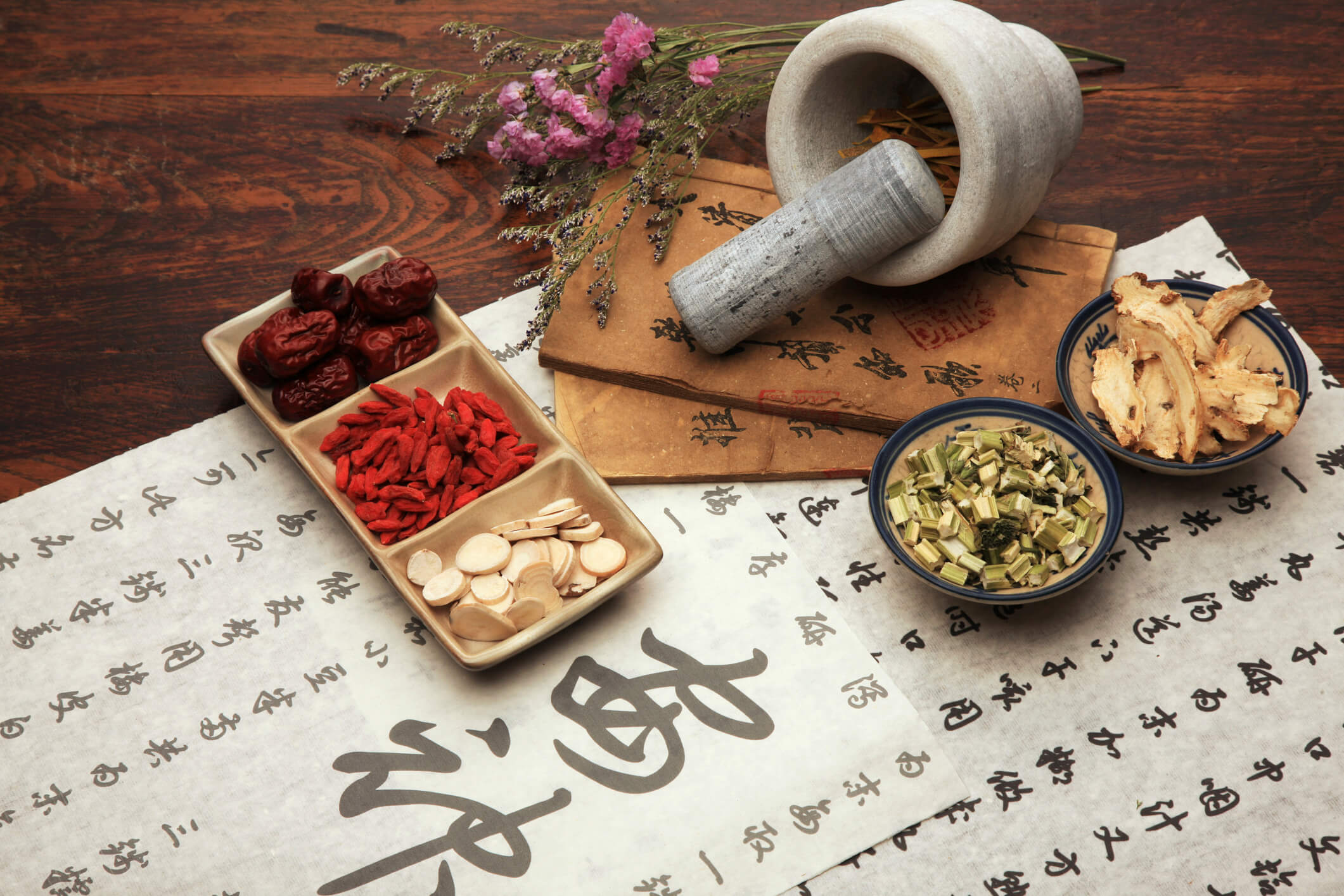
Traditional Chinese Medicine (TCM) is often best understood through analogy. One of the simplest — and most accurate — ways to explain how acupuncture and herbs work together is to think of the body as a garden.
A healthy garden doesn’t thrive because of one action alone. It needs regular physical care and ongoing nourishment. The same is true for the body.
Acupuncture: Tending the Garden
Acupuncture is the hands-on work of the garden.
It’s like:
-
Mowing the lawn
-
Digging and turning the soil
-
Pruning back overgrowth
-
Removing weeds
-
Improving drainage and airflow
In the body, acupuncture helps:
-
Move stagnant Qi and blood
-
Regulate the nervous system
-
Improve circulation
-
Reduce pain and inflammation
-
Create space for healing to occur
Acupuncture creates the conditions for change — but conditions alone don’t sustain long-term growth.
Herbs: Feeding the Soil
This is where Chinese herbal medicine comes in.
Herbs are like:
-
Watering the plants
-
Adding fertiliser
-
Rebalancing the soil’s pH
-
Restoring depleted nutrients
-
Supporting root growth over time
In TCM, herbs work at a deeper, more sustained level. They:
-
Nourish deficiencies (Qi, Blood, Yin, Yang)
-
Clear heat, damp, or phlegm
-
Support digestion and absorption
-
Regulate hormones and cycles
-
Strengthen resilience between treatments
If acupuncture clears the path, herbs provide the building materials.
Why Herbs Are So Important in TCM
Historically, Chinese medicine has always placed enormous emphasis on herbal medicine. In fact, many classical doctors were primarily herbalists, using acupuncture as a supporting tool.
Herbs are especially important when:
-
Symptoms are long-standing or chronic
-
There is underlying deficiency or depletion
-
The body needs daily support, not just weekly treatment
-
We are trying to create change between acupuncture sessions
Acupuncture might open the door — but herbs help the body walk through it.
From Raw Herbs to Granules: Modern, Practical Chinese Medicine
Traditionally, herbs were prescribed as raw dried plants that patients boiled at home into strong decoctions. While effective, this approach:
-
Takes time (often 30–60 minutes per day)
-
Has a strong smell and taste
-
Requires planning and consistency
-
Isn’t realistic for many modern lifestyles
Today, most practitioners use concentrated herbal granules instead.
Granules are:
-
Extracted from raw herbs
-
Concentrated and standardised
-
Mixed into bespoke formulas
-
Dissolved easily in hot water
They offer the same therapeutic intent as raw herbs, but in a way that fits modern life.
Why I Use Herbal Granules in Practice
I primarily prescribe bespoke granule formulas because they are:
-
Easier to take consistently
-
Adjustable as symptoms change
-
Suitable for busy schedules
-
More accessible for long-term treatment
Consistency matters. Herbs work best when taken daily — like watering a garden regularly rather than flooding it once a week.
Acupuncture and Herbs Work Best Together
You can improve a garden by only digging the soil.
You can improve it by only watering.
But real, lasting health comes from doing both.
In TCM, acupuncture and herbs are not alternatives — they are partners. One prepares the ground, the other nourishes growth.
When used together, they allow the body to move, repair, regulate, and rebuild in a way that feels natural, supported, and sustainable.