
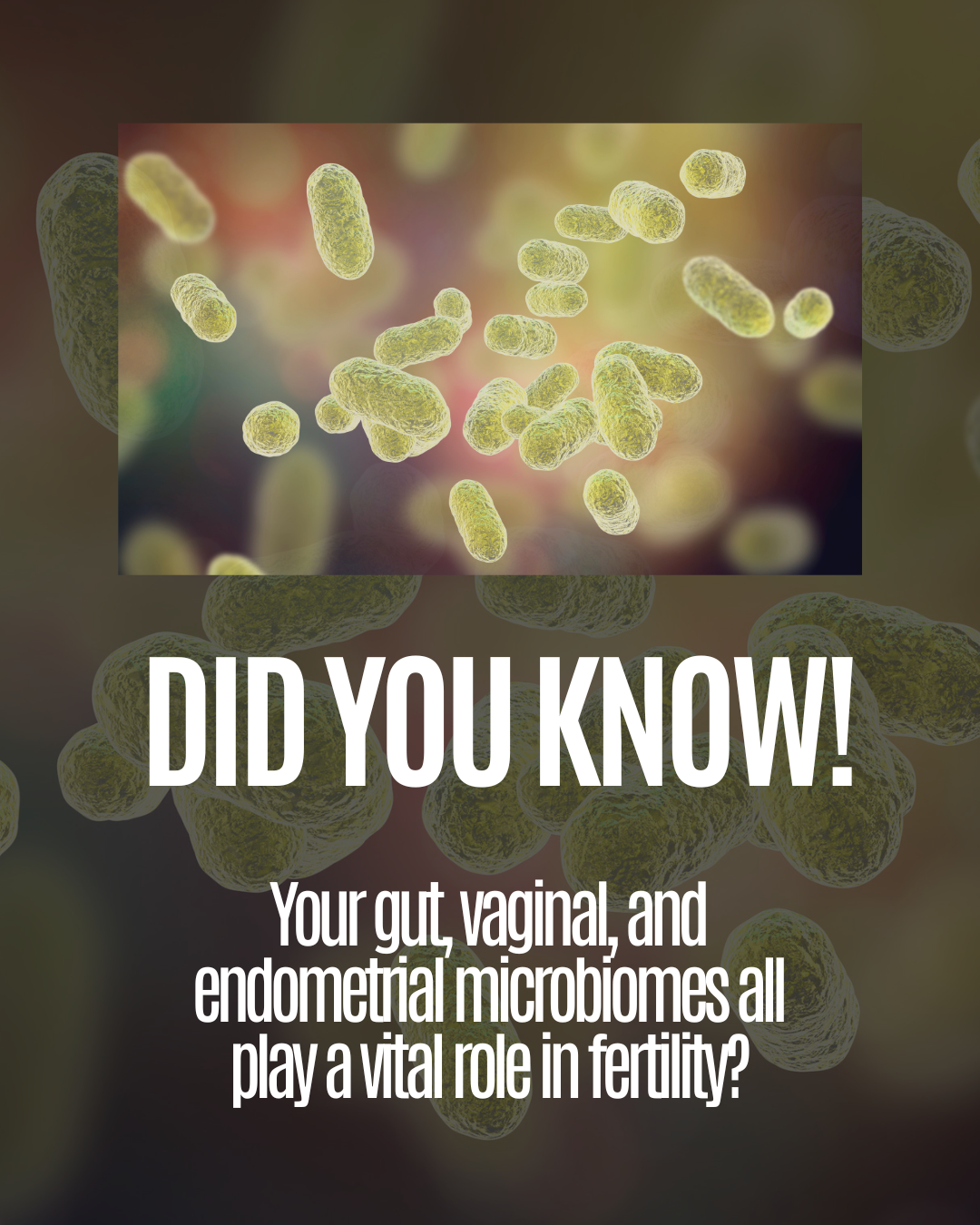
The gut, vaginal, and endometrial microbiomes are key players in reproductive health. Each one influences fertility in unique ways by balancing hormones, supporting the immune system, and protecting against infection. A microbiome rich in beneficial Lactobacillus species, particularly L. crispatus, is strongly linked with better pregnancy outcomes.
Vaginal Microbiome
-
Protection from pathogens: A Lactobacillus-dominant environment maintains acidity and blocks harmful bacteria.
-
Sperm motility and viability: A healthy balance helps sperm navigate cervical mucus and reach the egg.
Gut Microbiome
-
Hormone balance: Interacts with the endocrine system to regulate hormone production.
-
Immune regulation: A diverse gut microbiome reduces inflammation that may hinder conception.
-
Nutrient absorption: Ensures the body has essential resources for reproductive processes.
Endometrial Microbiome
-
Plays a direct role in embryo implantation and maintaining a successful pregnancy.
Factors That Matter
-
Lactobacillus dominance: Strongly associated with higher pregnancy rates.
-
Hormonal influence: Estrogen supports Lactobacillus growth.
-
Conditions such as endometriosis and PCOS: Research suggests altered microbiomes may contribute to fertility challenges.
What You Can Do
-
Eat a diverse, fibre-rich diet to support microbiome health.
-
Consider probiotics, especially those containing Lactobacillus strains.
-
Seek professional advice if you have PCOS, endometriosis, or ongoing fertility struggles.
A thriving microbiome could be a key piece of the fertility puzzle — and nurturing it may help improve reproductive outcomes.


